Welcome to Octopus Moving Company | Massachusetts, Rhode Island, North Carolina
Welcome to Octopus Moving Company | Massachusetts, Rhode Island, North Carolina

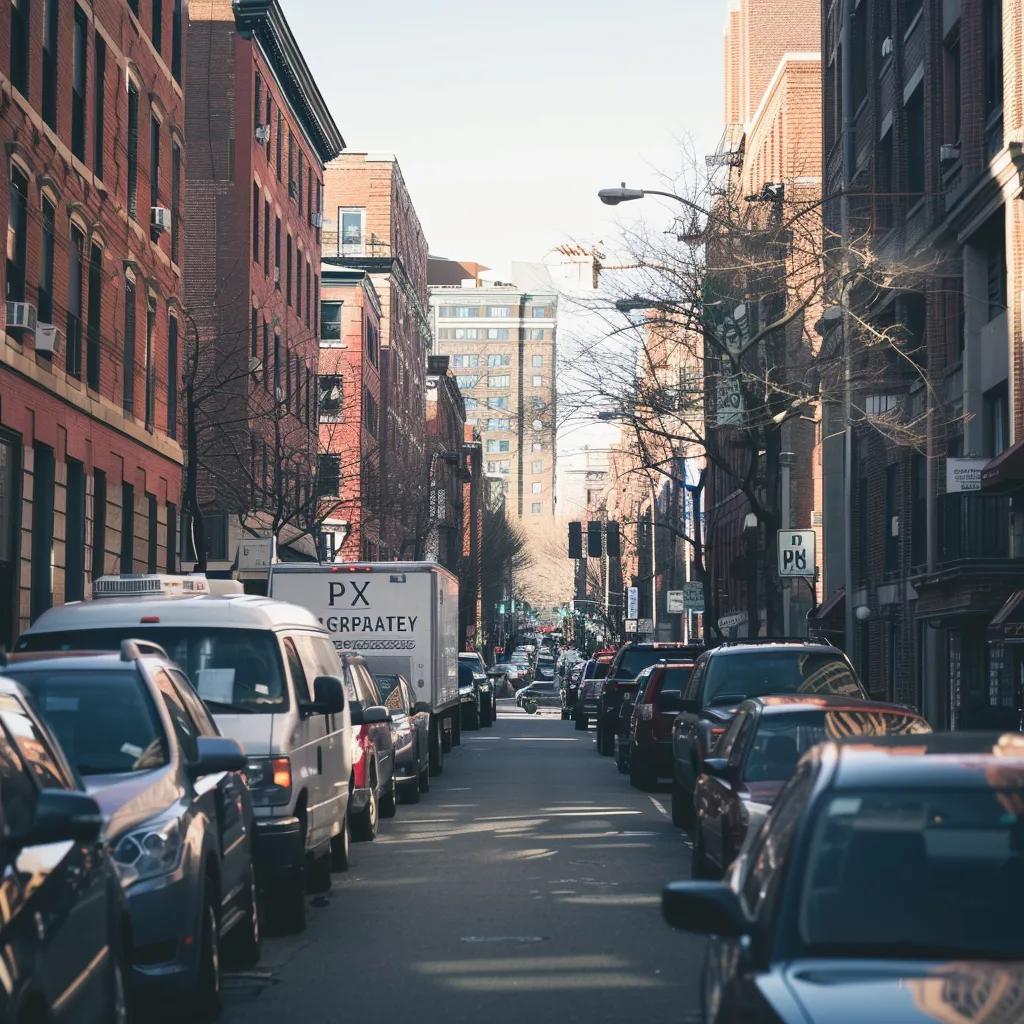
Moving in Boston comes with unique challenges that extend beyond merely packing boxes and loading trucks. One of the most critical aspects of a successful move is understanding Boston’s parking permit requirements. Whether you are moving locally or across neighborhoods, Boston’s strict parking regulations can deeply affect the logistics and cost of your move. In this comprehensive guide, readers will learn what parking permit regulations to expect on moving day, how to obtain a temporary permit, what fees to anticipate, and the potential penalties for non-compliance.
This article explains the process in a step-by-step manner, beginning with the criteria defining when a parking permit is required for moving trucks, the types of permits available, and how Boston moving permit zones affect your move. We also detail the application process, review permit costs and fee waivers available to local residents, and outline moving day parking regulations. Furthermore, the guide addresses the validity period of temporary parking permits and explains what happens if you move without one.
Boston’s dense urban layout, rigorous street cleaning schedules, and varying neighborhood restrictions make meticulous planning essential. The information provided is built upon official city guidelines and real-world moving experiences. Each section offers clear steps, timelines, and actionable advice so that residents and moving companies alike can streamline their moves, avoid costly fines, and ensure full compliance with local parking regulations.
Transitioning into the details of Boston moving permits, the following sections provide an in-depth look at permit requirements, application processes, and day considerations.
Understanding Boston moving permit requirements is crucial for a hassle-free move. These requirements depend on the type of move, the new home’s location, and the timing of your move. Generally, a parking permit is mandatory when parking a moving truck on public streets during moving day, especially in densely populated neighborhoods. Permits help manage street parking and minimize disruptions to traffic and city operations. Booking same-day movers in Boston? Permit timing matters even more.
A parking permit is required when moving trucks are scheduled to park on public streets on moving day—particularly if the truck is left unattended during loading or unloading. This rule ensures streets remain clear, facilitates traffic flow, and complies with scheduled street cleaning. Movers or individuals must obtain the permit beforehand to avoid fines and towing complications. In essence, if you plan to park a moving truck on any street managed by the Boston Transportation Department, securing a permit is imperative.
Boston offers several types of parking permits to suit various moving needs. Typically, these are temporary moving permits issued for the day of the move only. In some cases, specialized permits are available for oversized trucks or moves scheduled during off-peak hours. These permits are time-bound and come with usage restrictions regarding the number of hours allowed, so it is essential to plan your move accordingly.
Boston is divided into multiple parking permit zones, each with restrictions based on street layout, neighborhood density, and scheduled municipal activities like street cleaning. These zones determine where a moving truck may park and for how long. Knowing your new address’s zone can streamline the application process and prevent unexpected fines. In addition, these zones guide the best times and locations for parking, ensuring compliance with local ordinances set by the Boston Transportation Department.
The application process for a Boston temporary parking permit is designed to be straightforward yet requires attention to detail. Applicants need to prepare the necessary documents, complete an online application, and pay the prescribed fees before the move. Following this process can help secure your permit without delays.
First, gather required documents such as proof of residence, detailed moving plans, and truck information. Next, visit the official Boston parking permit website or the designated city hall portal and complete the online application. After submitting your application, pay the fee using a debit card or another approved payment method. Once processed, you will receive confirmation of your permit issuance, typically by email or SMS. Finally, print the permit and display it clearly on the moving truck during the move to remain compliant. This streamlined process minimizes last-minute complications.
Official permit forms and resources are available on the Boston city government website. The city’s transportation department provides detailed instructions, downloadable forms, FAQs, and contact numbers for assistance. In-person support is also available at select Boston city hall branches for those who need physical copies or additional help. Using these official channels ensures that all information remains current and consistent with municipal regulations.
Typically, temporary parking permits are issued within a few business days. If you apply well in advance of your move, you might even receive your permit within 24 to 48 hours. Processing times may vary by season and demand, so planning ahead and applying early is recommended to avoid last-minute delays.
The cost of obtaining a Boston moving parking permit depends on the truck size and specific permit type required. The fees are generally designed to cover administrative processing and encourage timely permit applications to avoid parking violations. Detailed fee schedules are available on the city website and may be subject to periodic.
On moving day, a Boston parking permit typically costs between $50 and $100. Larger moving trucks or moves affecting multiple zones might incur higher fees, and expedited processing may involve additional charges. It is advisable to review the fee schedule on the official Boston Transportation Department website to budget properly and avoid surprises.
Local residents may qualify for fee waivers or discounted rates under certain conditions. Moves involving senior citizens, persons with disabilities, or low-income households might be eligible for partial or full fee waivers. These concessions are intended to ease the financial burden of urban moves. To determine eligibility, contact the Boston Parking Authority or review the fee waiver details posted on the official city website.
Boston enforces strict parking regulations on moving day to manage traffic flow, accommodate street cleaning, and ensure public safety. These regulations specify where moving trucks can park, the allowed duration, and the conditions for parking. Adhering to these rules is crucial to avoid fines or towing.
Legal parking for moving trucks in Boston requires following designated parking areas outlined by city ordinances. Trucks must be parked only in areas where a temporary permit is issued and away from no-parking zones like fire hydrants, bus stops, or intersections. Local residents should verify permitted areas on their permit documents or check local municipal websites for updates. Parking strictly in designated zones minimizes the risk of fines and towing. Our Boston apartment movers handle tight-street parking logistics.
Street cleaning schedules in Boston vary by neighborhood and season. In most areas, early morning street cleaning restricts parking during those hours. Additionally, some areas enforce alternate side parking rules on specific days. It is crucial to check official city websites or roadside signage for current schedules to plan your move accordingly and avoid parking violations.
Parking restrictions vary significantly across Boston. Densely populated neighborhoods like Back Bay or Beacon Hill often have stricter rules compared to suburban areas. Some locales enforce seasonal or temporary restrictions during events or construction projects. It is important for residents and moving companies to verify local zoning regulations in advance to ensure full compliance with Boston’s diverse parking rules.
Temporary parking permits in Boston are designed specifically for moving day and are valid only during the relocation window. This limited validity balances moving logistics with the need for regular street maintenance. Most permits have a strict time limit to ensure trucks do not remain on public streets longer than necessary.
Generally, a Boston moving day parking permit is valid for one day—the day of the move. Some permits may allow a few extra hours before or after the move for setup and cleanup, but extensions beyond this period are not permitted. It is critical to adhere to this to avoid penalties from the Boston Transportation Department.
Under usual circumstances, temporary permits are non-renewable and are only valid for the scheduled moving day. In exceptional cases, such as unforeseen delays or emergencies, you may request an extension through official channels. However, extensions require prior approval from city authorities and substantiated evidence of hardship, so planning within the allotted time is essential.
Failing to obtain a valid Boston parking permit can result in a range of penalties. These include significant fines, towing of the moving truck, and potential legal actions that may increase moving costs. Boston enforces these regulations to maintain orderly traffic and safe streets, and violations are taken very seriously.
Parking violations during a move in Boston can result in fines typically ranging from $100 to $250 per incident, depending on the severity or recurrence of the offense. Repeated violations may lead to additional penalties and towing fees, further increasing the overall cost. It is essential to follow all permit instructions carefully to avoid unexpected expenses.
To prevent common mistakes, start your permit application process as soon as your move is scheduled. Avoid misreading parking zone restrictions or exceeding the permitted time limit by double-checking your street’s specific requirements using official resources. Additionally, be sure your permit is clearly displayed on the moving truck—this simple step ensures enforcement officials can quickly verify your compliance and helps prevent unnecessary fines.
Navigating Boston’s parking permit system can be complex, but numerous resources are available to assist residents and moving companies. From official city websites to local moving companies that specialize in moves, you can find detailed guidance, downloadable forms, and customer support to ensure your move complies with local regulations.
The Boston Transportation Department is the primary agency responsible for issuing temporary permits and enforcing parking regulations for moves. Additionally, the Boston Parking Authority oversees the practical aspects of street parking. For specific moving day parking queries, contacting the city’s community engagement offices or visiting local Boston City Hall branches can provide up-to-date guidance.
Many local Boston moving companies offer services that include assistance with parking permit applications. These professionals understand Boston’s parking regulations and can help complete and submit the necessary documentation accurately, saving time and reducing errors that could lead to fines. Consulting a reputable experienced in Boston moves can streamline the entire process.
Several online tools and checklists are available to simplify the moving permit process. Official websites maintained by the regional transportation authority often feature printable checklists, step-by-step guides, and FAQs. Additionally, many local moving companies offer digital, cost breakdowns, and instructions to help you navigate Boston’s parking regulations efficiently.
Q: Do I always need a parking permit for my Boston move?
A: Generally, if you plan to park a moving truck on public streets in Boston during your move, a parking permit is required. Exceptions exist for moves in private or designated areas, but it is safest to verify with local authorities.
Q: How far in advance should I apply for a Boston moving permit?
A: It is advisable to apply at least one to two weeks before your scheduled move. This provides ample time for processing, addressing any issues, and ensuring secure parking on moving day.
Q: What payment methods are accepted when applying for a Boston parking permit?
A: The city typically accepts payments via debit card, credit card, or online payment platforms as specified on the application portal. Always review the payment details during the application process.
Q: Can I park my moving truck longer than the permit duration if my move takes extra time?
A: No, temporary permits are strictly time-bound. Overstaying the permit duration can result in fines or towing. If delays are anticipated, contact the relevant city department to discuss available solutions.
Q: What should I do if I receive a parking ticket on moving day?
A: Review the ticket details immediately and contact the issuing agency. You may contest the fine if you believe it was issued in error, but prompt action is necessary to avoid further penalties.
Q: Are there any discounts on permit fees for senior citizens or those with disabilities?
A: Yes, Boston may offer fee waivers or reduced rates for eligible senior citizens and persons with disabilities. Check the official permit information or contact the Boston Parking Authority to confirm eligibility criteria.
Q: Where can I get additional help if I have questions about moving permits?
A: For further assistance, visit the Boston Transportation Department’s website, call their customer service hotline, or consult a local moving company experienced with Boston regulations.
Boston moving permits are critical for planning a successful move in the city, given the strict parking regulations and varied neighborhood restrictions. Securing the appropriate permit in advance helps avoid fines, towing complications, and the stress of last-minute issues. By following the structured application process, reviewing specific permit costs, and understanding local parking rules, movers can ensure a smooth transition. This guide provides the essential steps and resources needed to navigate Boston’s permit system effectively, helping you plan a move with confidence and efficiency.