How Much Does a Move in Boston Typically Cost?
Moving costs depend on several factors, including the size of your home or apartment, travel distance, building access conditions, parking availability, and any additional services you may need.
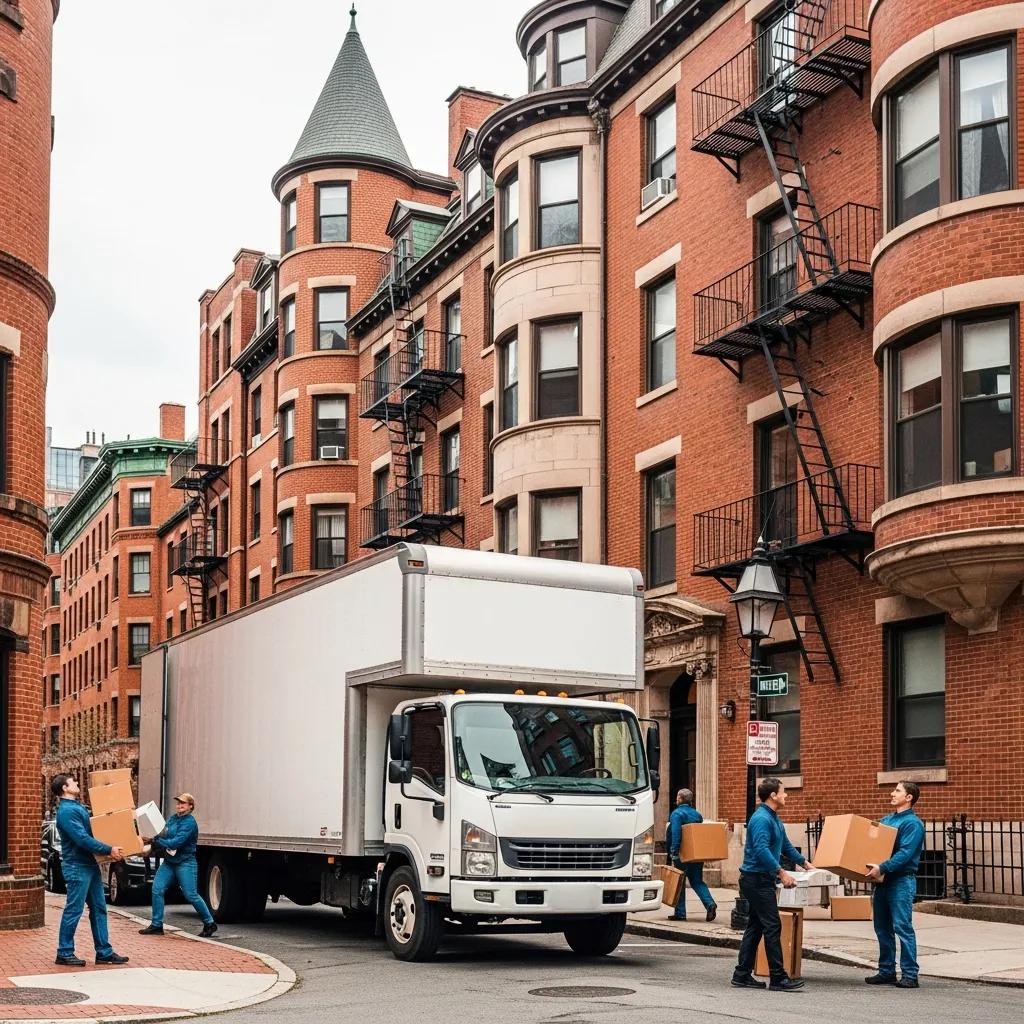
Boston relocations often require extra planning due to parking permit requirements, narrow streets, historic buildings, walk-up apartments, and high-rise move-in procedures. Requesting a detailed estimate early helps you better understand costs and prepare for moving day.
Common Pricing Factors Include:
- Number of movers required
- Apartment, condo, or home size
- Stair, walk-up, or elevator access
- Distance between locations
- Packing and unpacking services
- Storage needs
- Parking permits and truck access requirements
- Specialty furniture, pianos, or fragile items
A personalized moving quote helps you plan your relocation with confidence and avoid unexpected surprises on moving day.
Boston Neighborhood Moving Tips
Back Bay, Beacon Hill, and South End
Many of Boston’s historic neighborhoods feature narrow streets, limited parking, and older buildings with tight staircases. Securing parking permits and planning truck access ahead of time can help prevent delays on moving day.
Downtown Boston and Seaport High-Rises
Many apartment and condo buildings require elevator reservations, loading dock scheduling, and advance notice for move-ins. Coordinating these requirements early helps ensure a smoother relocation experience.
Student Moves Near Boston’s Colleges and Universities
Areas around Boston University, Northeastern University, Harvard, MIT, and other schools experience high moving demand during semester transitions. Early scheduling helps avoid congestion, parking challenges, and limited availability during peak student moving periods.