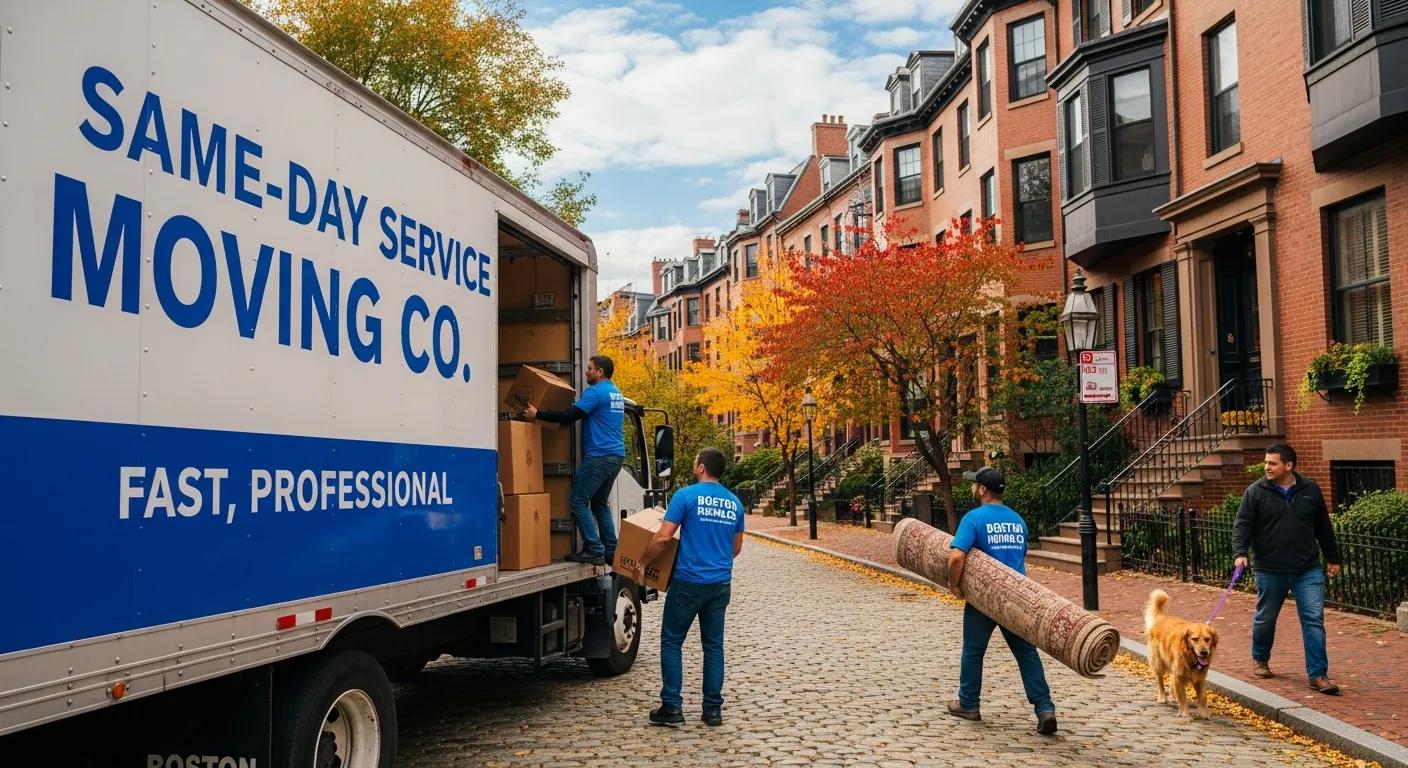
Welcome to Octopus Moving Company | Massachusetts, Rhode Island, North Carolina
Welcome to Octopus Moving Company | Massachusetts, Rhode Island, North Carolina

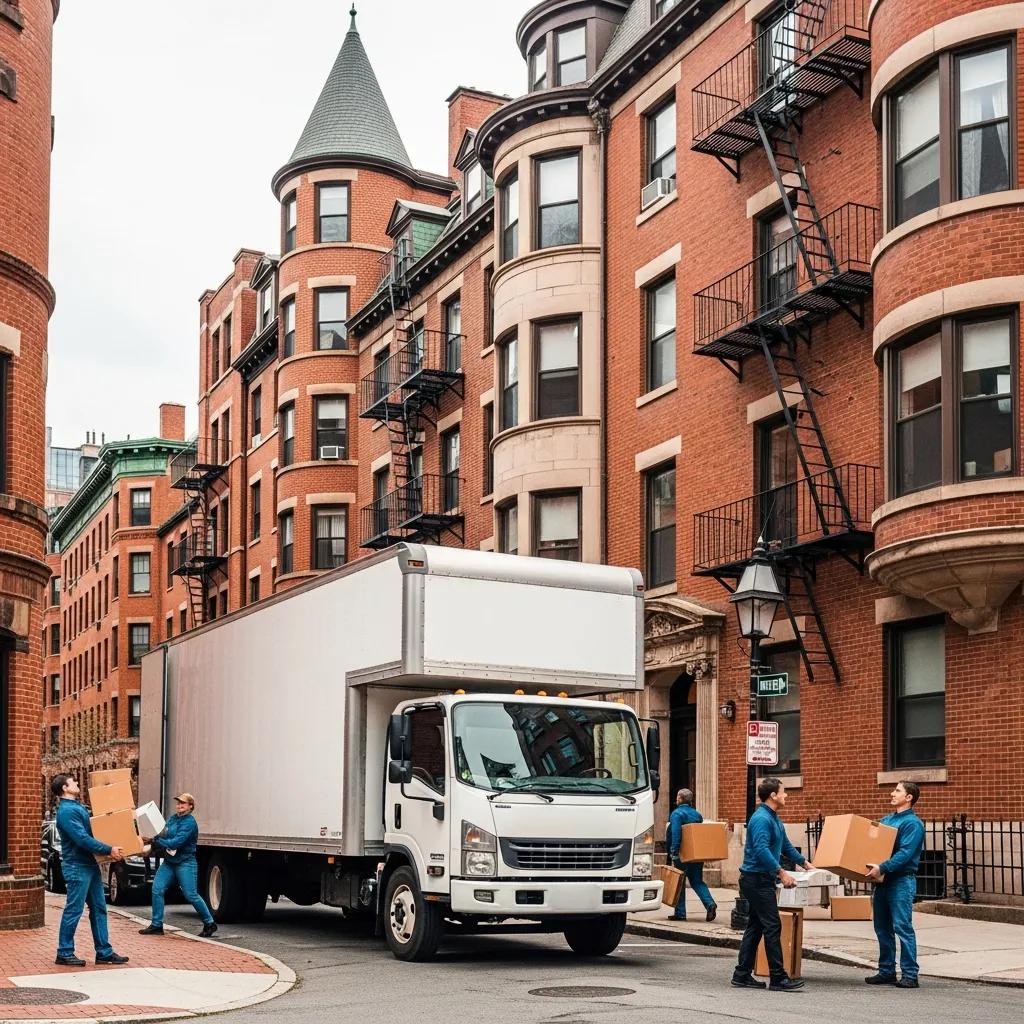
Moving into a Boston apartment is exciting but different. Narrow streets, historic brownstones, and busy neighborhoods create logistical challenges. This guide covers what to watch for, how to prepare, typical costs, and how to hire reliable local movers so your move is less stressful.
Boston’s older buildings and tight urban layout make apartment moves harder than suburban ones. Limited curb space, stair-only units, and building rules affect timing, equipment, and costs. Plan ahead to save time and avoid extra fees.
Local and academic research confirms that denser urban environments raise logistical demands for last-mile delivery and moving services.
Urban Logistics Challenges for Moving Services
As cities grow and delivery volumes increase, access restrictions and limited space force logistics providers to adapt. Getting close to customers while maintaining high service levels requires new planning and operational changes for the urban last mile.
The role of urban logistics real estate in last mile deliveries: opportunities, challenges and success factors for integration, 2019
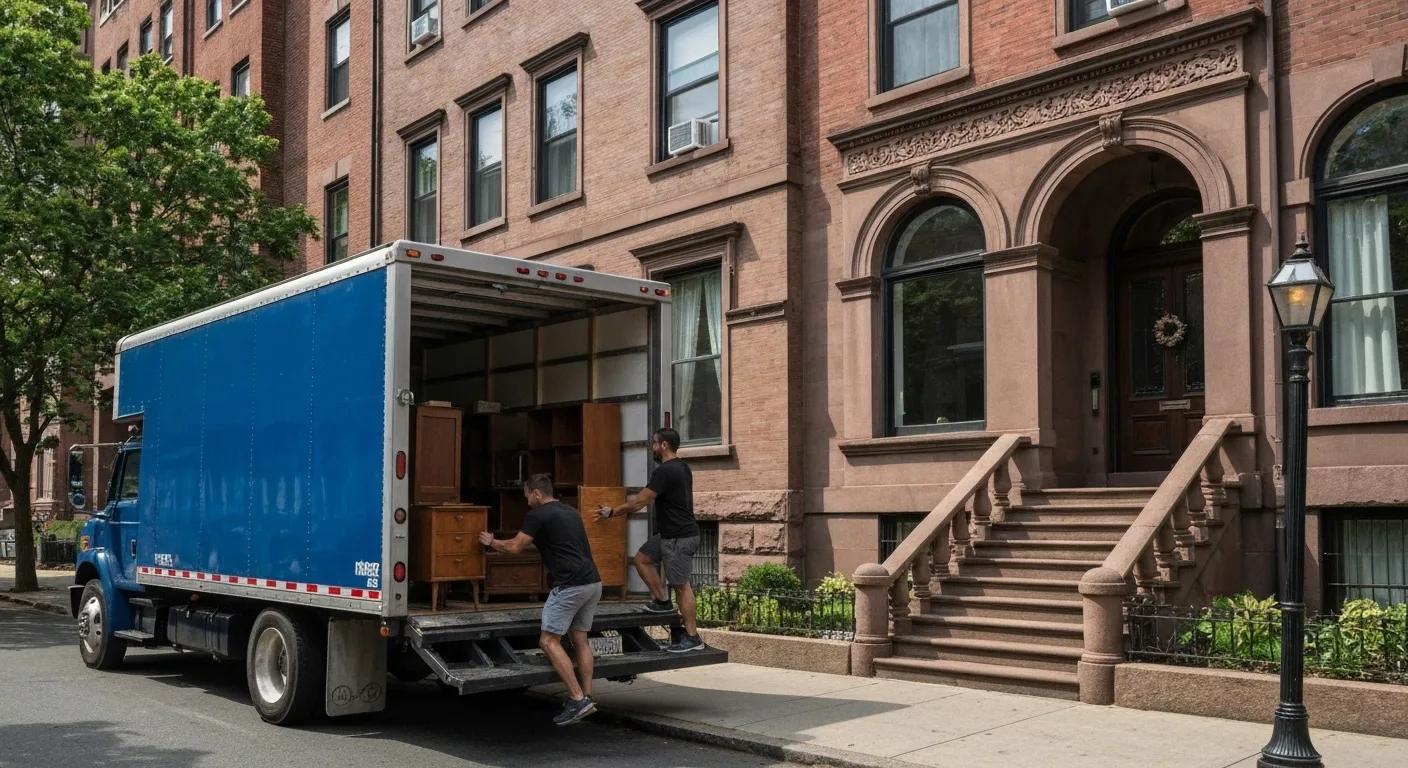
Walk-ups are common in Boston. Without an elevator, expect longer move times and extra labor—bring dollies and straps, consider hiring extra hands, and give movers more time to reduce damage and surprise charges.
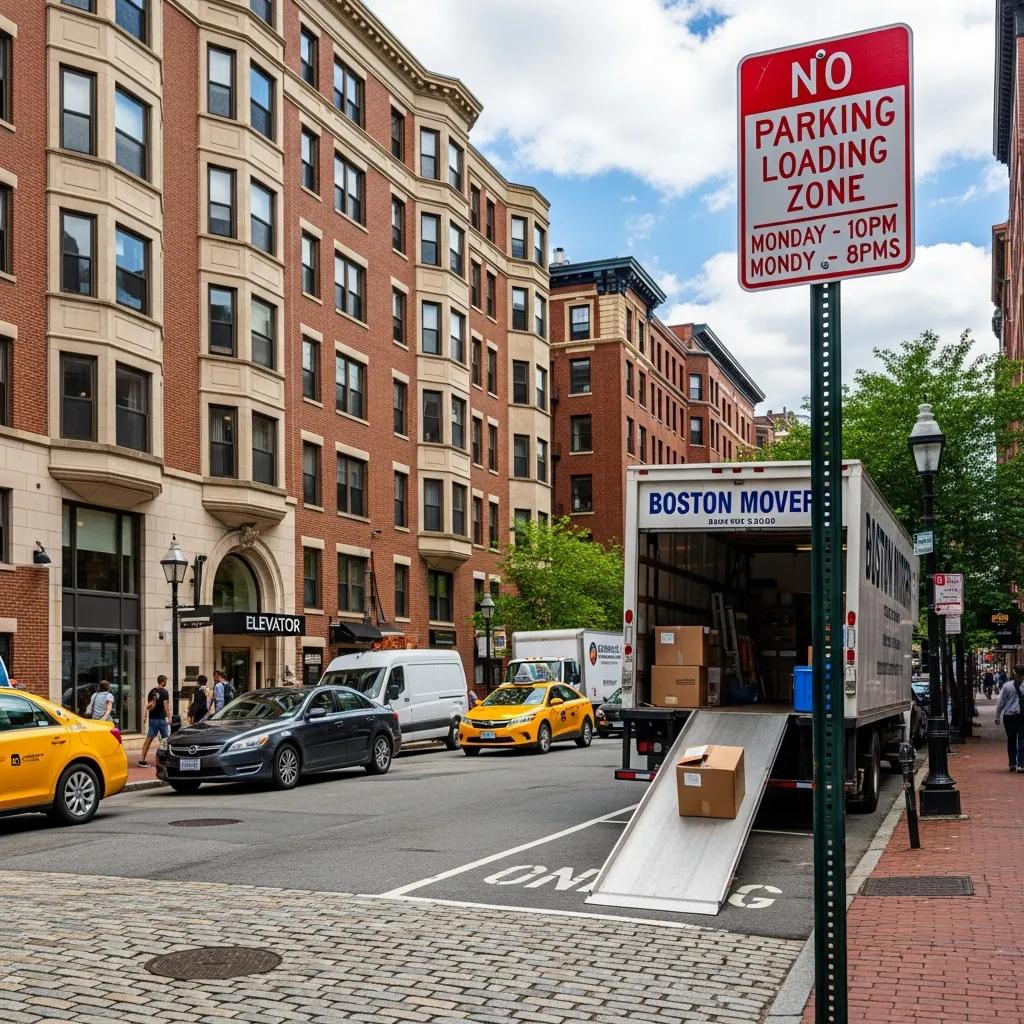
Parking and elevator access are major headaches. Many neighborhoods require temporary moving-truck permits—check the City of Boston pages early. If your building has an elevator, reserve it with management and confirm move-day rules (time windows, floor protection, insurance) to avoid delays or fines.
Plan tasks in clear steps, allow buffer time, and confirm logistics with your building and movers about a week before the move to reduce surprises.
When packing a small space, work smarter, not harder. Try these practical tips:
These habits help you stay organized and settle in faster.
September 1st is peak moving day because many leases begin then. Book movers well in advance, consider off-peak times, and confirm parking and elevator reservations early. Tell movers about narrow hallways, stairs, or permit needs to prevent delays.
Moving costs in Boston depend on a few predictable factors. Knowing them helps you budget and compare quotes more effectively.
Common cost drivers include:
Keep these factors in mind when estimating prices.
To protect your belongings and schedule, verify credentials, read recent reviews, and get several quotes. Use these quick checks when evaluating companies, including apartment movers in Boston:
These checks help you choose a mover who’s reliable and fits your budget.
Neighborhood rules and layouts vary across Boston. A few local details can determine timing, cost, and logistics for your move.

Beacon Hill and the North End are charming but tight. Expect narrow streets, limited curb space, and stricter building rules—reserve permits and elevator time early and plan for longer carry distances from truck to apartment.
Condos often require scheduled elevator windows, mover insurance proof, and sometimes move-in fees or floor protection. Contact your condo association early to learn rules and secure needed time slots.
Remember these drivers when you get quotes so your budget matches likely costs.
In short, moving to a Boston apartment requires more planning than in many other cities. With permits, strategic packing, and a mover familiar with the city, the day can be efficient and less stressful.
Contact your mover for an updated arrival time and reason. If rescheduling is needed, ask about next dates and fees. Consider short-term storage and notify your landlord or property manager.
Yes—some buildings and neighborhoods restrict moves during certain hours or holidays. Check with building management and local regulations and aim for off-peak times when possible.
Use sturdy boxes, quality packing materials, and “fragile” labels. For high-value items, consider mover-provided protection or insurance and choose a mover with a careful track record.
Unpack essentials first (toiletries, bedding, chargers). Set up larger furniture, then tackle one room at a time using box labels to prioritize. Break the work into short sessions.
Schedule disconnection at your old address and set up accounts at the new place at least a week ahead for electricity, gas, water, internet, and cable. Confirm any building-specific setup steps.
Check the apartment’s pet policy and pack a pet kit with food, water, and medications. If possible, have someone watch pets during the move and keep routines steady while they adjust.
Plan for Boston’s quirks—permits, narrow streets, walk-ups, and building rules. Book early, confirm logistics, and pack strategically. With basic prep and the right mover, your Boston apartment move can be straightforward and manageable. For more local tips, see our moving guides and resources.
Error: Contact form not found.