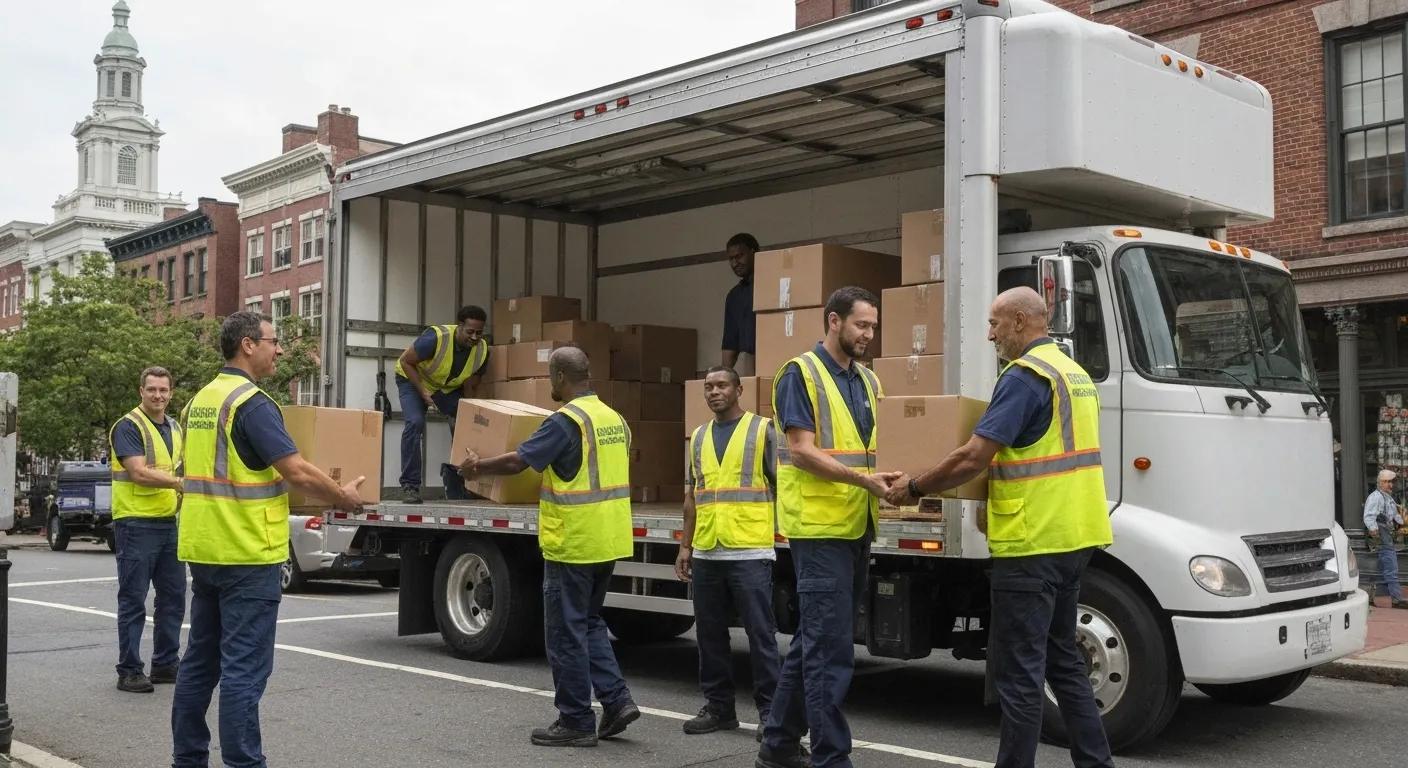
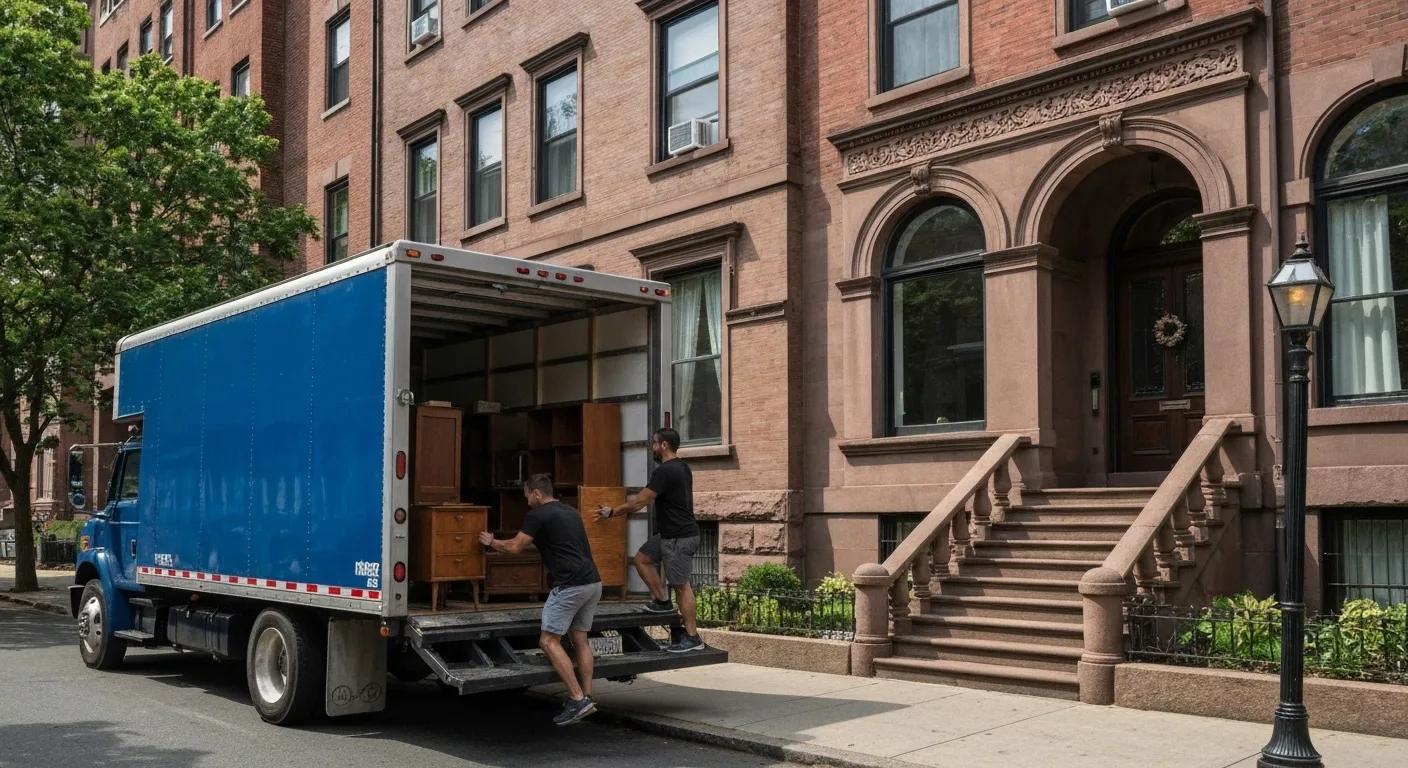
How We Packed Smart for a Boston Move with Octopus Moving
Essential Packing Tips for Moving to Boston: Your Complete Guide to a Smooth Relocation
Moving to Boston demands careful preparation, from gathering the right supplies to adapting to unpredictable seasons, compact apartments, and city-specific regulations. This guide maps out the must-have packing materials, seasonal clothing strategies, space-saving methods for apartments, local logistics like Storrow Drive restrictions and parking permits, targeted advice for students and pet owners, eco-friendly practices, and efficient unpacking steps. Whether you’re working with professional Boston movers or tackling your own packing with Octopus Moving & Storage’s expert tips, these recommendations ensure your belongings arrive safely and you settle in without stress.
In the sections that follow, you’ll discover:
Key packing supplies and organization techniques
Seasonal and weather-ready clothing strategies
Space-maximizing approaches for apartments and historic homes
City rules affecting your moving truck and schedule
Student and pet relocation essentials
Sustainable packing solutions
Post-move unpacking and utility setup best practices
What Are the Key Packing Supplies Needed for a Boston Move?
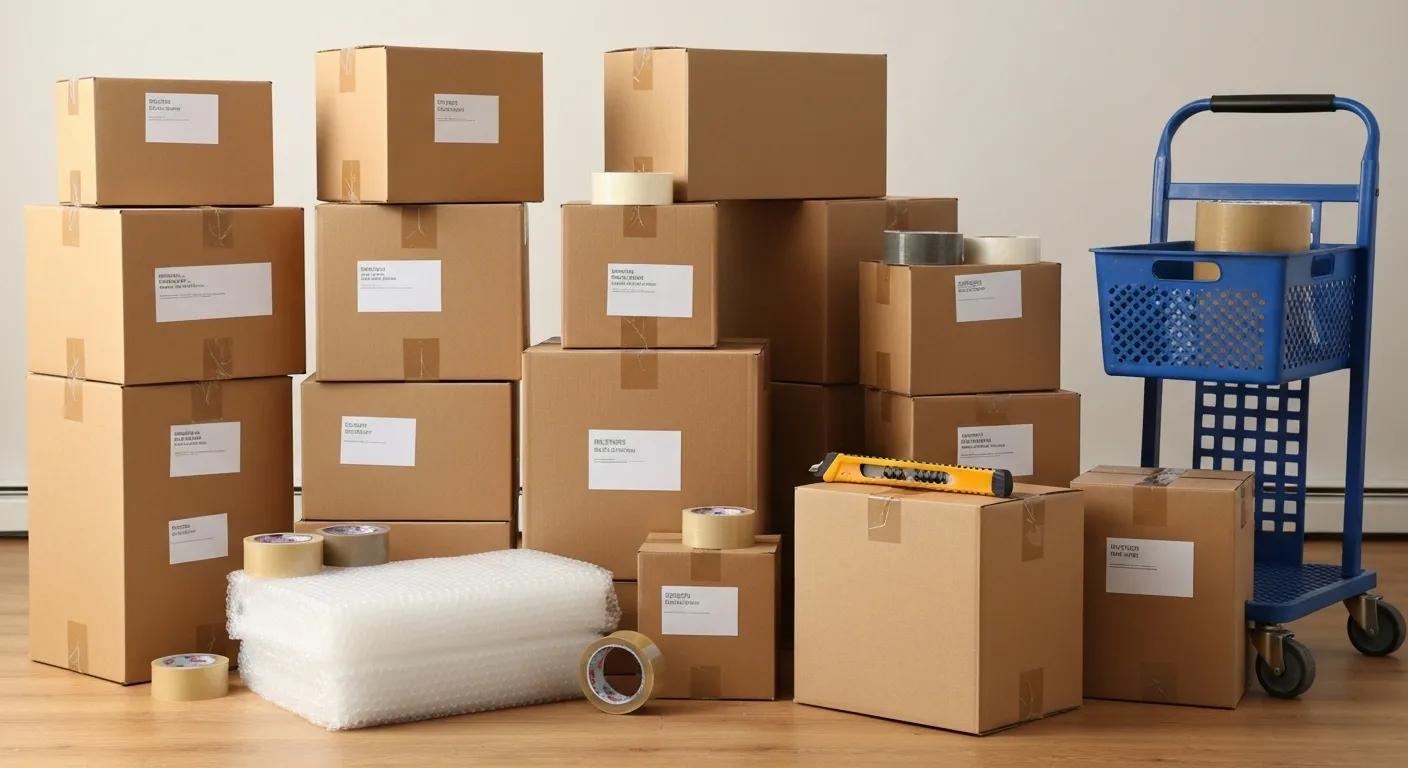
Essential packing supplies form the backbone of any successful Boston relocation by protecting fragile belongings, streamlining organization, and speeding up the unloading process. Investing in quality boxes, cushioning materials, and labeling tools prevents damage on narrow city streets and uneven cobblestone sidewalks. For a turnkey solution, many Boston movers, including Octopus Moving & Storage, offer supply bundles tailored to local moves.
Packing Supplies for a Smooth Move
Proper packing materials are essential for protecting belongings during a move. Using high-quality boxes, bubble wrap, and packing paper can prevent damage on uneven surfaces and narrow streets. Dish packs and furniture pads offer additional protection for fragile items.
Octopus Moving & Storage, Packing Guide (2024)
This source provides expert tips on packing supplies, directly supporting the article’s recommendations for protecting items during a Boston move.
Which Packing Materials Are Best for Protecting Your Belongings?
Bubble wrap provides cushion around breakables and fills voids in boxes.
Packing paper shields glassware and mirrors without scratching surfaces.
Foam peanuts or biodegradable loose fill absorb impacts during loading.
Dish packs with cell compartments keep plates and stemware separated.
Furniture pads prevent scratches and dents on tables, sofas, and frames.
These materials work together to safeguard valuables while you navigate packing strategies for seasonal weather conditions.
How to Create an Essentials Box for Your First Night in Boston?
Pack basic toiletries, including soap, towels, and toothbrush.
Include chargers, flashlights, and spare batteries for immediate connectivity.
Add a change of clothes, medications, and important documents in a waterproof pouch.
Stow snacks, bottled water, and a basic tool kit for quick fixes.
Label the contents clearly as “First Night Box.”
Having this box ready prevents frantic searches and supports a calm first evening in your new Boston home.
What Are the Recommended Labels and Organization Tips for Boston Moves?
Use color-coded labels to represent rooms (blue for kitchen, green for bedroom).
Number each box and maintain a corresponding inventory spreadsheet.
Mark fragile items with bright “Fragile” stickers and arrows for orientation.
Place descriptive tags on box tops and sides for visibility in stacked storage.
Group similar items together (linens, electronics, books) to simplify unpacking.
Clear labeling translates to faster room placement and a more relaxed move-in process.
How Should You Pack for Boston’s Unpredictable Weather and Seasonal Changes?
Boston’s four distinct seasons and sudden weather shifts require layered packing strategies that balance warmth, breathability, and water resistance. Preparing your wardrobe and gear for winter snowstorms, spring showers, summer humidity, and autumn chill protects both you and your clothing investment.
Seasonal Clothing Strategies for Boston
Boston’s weather requires adaptable clothing strategies. Layering is key for handling temperature fluctuations. Waterproof outerwear, thermal base layers, and insulated accessories are crucial for winter. Lightweight rain gear and mid-weight sweaters are ideal for spring and fall.
National Weather Service, Boston Climate Information (2024)
This source provides information on Boston’s climate, supporting the article’s advice on packing for seasonal weather changes.
What Clothing and Gear Are Essential for Boston Winters?
Insulated, waterproof winter coat rated for below-freezing temperatures.
Thermal base layers made of moisture-wicking fabrics for sustained warmth.
Waterproof, slip-resistant boots designed for ice and snow.
Fleece-lined gloves, insulated hat, and neck warmer to seal out wind.
Hand warmers and heavy wool socks for extra protection during outdoor tasks.
Equipping yourself with these items ensures comfort during winter packing and move-in activities.
How to Pack for Boston’s Spring and Fall Weather Layers?
Lightweight rain jacket with a breathable membrane for sudden showers.
Mid-weight sweaters or cardigans that can be added or removed easily.
Waterproof walking shoes or ankle boots with good traction.
Packable umbrella and a compact rain poncho for on-the-go coverage.
Compact tote bag to layer essentials as the day warms up or cools down.
What Are the Best Fabrics and Items for Boston Summers?
Fabric Type
Key Characteristic
Ideal Application
Cotton blends
High breathability
T-shirts, casual shirts
Linen
Superior moisture absorbency
Summer dresses, button-downs
Performance synthetics
Quick-dry and anti-odor
Activewear, shorts
Lightweight denim
Durable yet airy
Jeans, casual trousers
Selecting these fabrics supports comfort during moving tasks and when exploring the city’s summer festivals and parks.
How to Prepare for Sudden Weather Changes During Your Move?
Check local forecasts 48 hours before moving day.
Pack rain gear and boots in an easily accessible bag.
Layer clothing in your essentials box for quick changes.
Cover boxes with plastic tarps if packing outdoors.
Keep towels or absorbent cloths handy for unexpected dampness.
These measures ensure you stay dry and focused, even when Boston weather takes a turn.
What Are Effective Packing Strategies for Boston Apartments and Small Spaces?
Boston’s historic and modern apartments often feature narrow hallways, limited storage, and compact rooms. Adopting space-saving packing strategies maximizes efficiency and preserves living space.
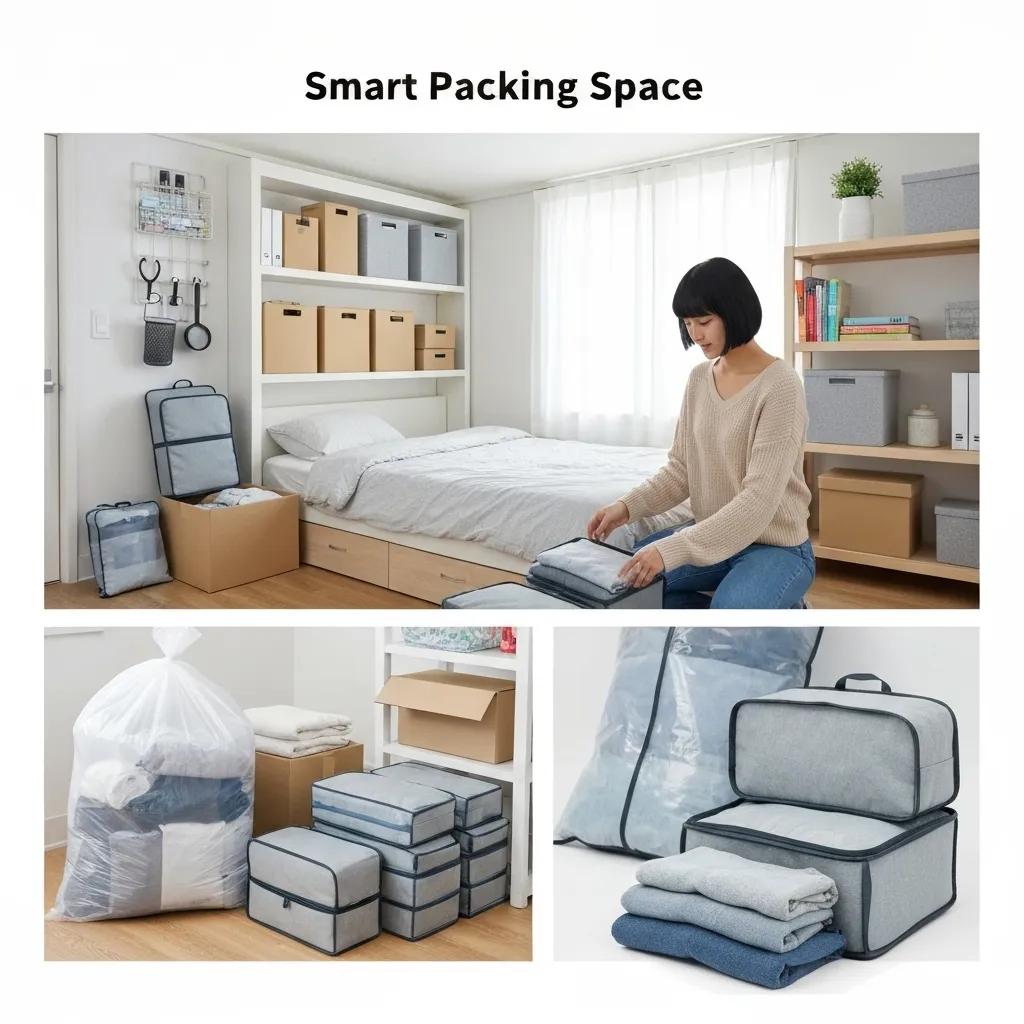
How to Maximize Space When Packing for Boston Apartment Moves?
Use wardrobe boxes to transport hanging garments without folding.
Pack clothing in vacuum-sealed bags to reduce bulk and protect from moisture.
Employ clear, stackable plastic bins for visible, dust-resistant storage.
Disassemble furniture where possible and store hardware in labeled bags.
Utilize reusable moving blankets that double as packing covers and padding.
What Storage Solutions Work Best for Boston’s Historic and Compact Homes?
Different storage options cater to varying space constraints and access needs:
Storage Solution
Key Feature
Ideal Use Case
Vacuum-Sealed Bags
Reduces bulky clothing volume
Seasonal garments in closets
Under-Bed Bins
Low-profile dust-resistant containment
Extra linens and off-season gear
Collapsible Plastic Crates
Stackable and reusable
Books, kitchenware, decor accessories
How to Safely Pack Fragile Items in Tight Boston Living Spaces?
Wrap each dish or glass in packing paper, then bubble wrap.
Use dish packs with individual compartments to eliminate shifting.
Fill empty space in boxes with foam peanuts or crumpled paper to block movement.
Label boxes “Fragile” and designate them for special handling by movers.
These precautions prevent damage during transit through tight corridors and compact elevators.
How Do Boston’s Unique Moving Logistics Affect Your Packing Plan?
Navigating Boston’s traffic rules, road restrictions, and peak lease turnover days influences how you pack, schedule, and choose moving equipment. Understanding these factors ensures a compliant, efficient relocation.
What Are the Restrictions of Storrow Drive for Moving Trucks?
Maximum clearance is 10 feet, 1 inch—larger vehicles risk costly damage.
Alternative routes include Massachusetts Avenue or Memorial Drive.
Coordinate with your moving company to plan a safe approach that avoids restricted parkways.
Awareness of these limits prevents delays and unexpected rerouting on moving day.
How to Obtain and Use Parking Permits for Boston Moves?
Apply online via the City of Boston’s transportation department portal.
Specify move date, truck size, and parking zone on your street.
Pay the permit fee and print or download the permit for display.
Attach the permit prominently in your vehicle’s windshield.
With a valid permit, movers can park legally close to your residence and speed up loading.
What Should You Know About Boston’s September 1st Lease Turnover?
Book professional Boston movers at least six weeks in advance.
Plan a partial packing schedule weeks ahead to avoid last-minute rush.
Anticipate heavier traffic and limited parking availability on lease day.
Organize a streamlined essentials box for rapid move-out and move-in.
Early planning around this event reduces stress and secures the services you need.
How to Plan Your Packing Around Boston’s Peak Moving Seasons?
Schedule mid-week or off-peak dates to find better availability and rates.
Reserve packing supplies and moving trucks three months ahead.
Consider partial DIY packing to reduce hourly labor charges.
Maintain flexibility with arrival times to beat peak traffic hours.
Adapting your timeline to seasonal demand helps optimize budget and logistics.
What Special Packing Tips Should Students and Pet Owners Know When Moving to Boston?
Students and pet owners face unique moving challenges that call for customized packing approaches. Targeted checklists ensure academic materials arrive intact and pets remain calm during transitions.
What Are the Essential Dorm and Student Packing Items for Boston Colleges?
Twin XL bedding, pillows, and a mattress topper for comfort.
Desk lamp, power strip with surge protection, and cable organizers.
Mini refrigerator or portable microwave for snacks and study breaks.
Storage bins that fit under beds or in closet lofts.
Wall hooks or peel-and-stick organizers to maximize vertical space.
How to Pack and Prepare for Moving Pets to Boston?
Secure a well-ventilated crate sized for your pet’s dimensions.
Pack familiar bedding and favorite toys to reduce anxiety.
Include collapsible bowls, travel water bottle, and food portions.
Obtain a sturdy leash or harness for secure handling during transit.
Schedule incremental crate time at home to acclimate your pet before moving day.
What Documents and Comfort Items Are Needed for Pet Relocation in Boston?
Up-to-date vaccination records and veterinary health certificate.
Microchip registration information and local animal licensing details.
Emergency contact list for a trusted local veterinarian and pet sitter.
Favorite blanket or bed to offer familiar scents in a new environment.
Treats and puzzle toys to occupy your pet during unpacking sessions.
How Can You Pack Sustainably and Responsibly When Moving to Boston?
Eco-friendly packing practices reduce landfill waste and align with Boston’s environmental goals. Choosing reusable materials and recycling strategies creates a greener relocation experience.
What Are Eco-Friendly Packing Materials and Practices for Boston Moves?
Use recycled or corrugated cardboard boxes from local sources.
Opt for biodegradable packing peanuts made from cornstarch.
Wrap fragile items in cloth towels or reusable moving blankets.
Rent plastic moving crates that swap and return, reducing single-use waste.
Clean and repurpose existing containers—shoe boxes, storage bins, and jars.
How to Reduce Moving Waste and Recycle Packing Supplies in Boston?
Return rental crates to providers for reuse.
Donate clean, sturdy boxes to neighbors, community groups, or school programs.
Drop off shredded paper and cardboard at local recycling centers.
Recycle foam and plastic wrap at designated city drop-off sites.
Store reusable materials for future moves or share through online swap groups.
What Are the Best Practices for Unpacking and Settling Into Your Boston Home?
A prioritized unpacking plan and local resource knowledge transform a cluttered house into a comfortable Boston home. Efficient utility setup and resource discovery accelerate the transition.
How to Prioritize Unpacking After Your Boston Move?
Open your essentials box first to access toiletries, chargers, and bedding.
Set up the bedroom and freshen linens to secure a restful space.
Assemble the kitchen essentials—plates, utensils, and basic cookware.
Arrange your work or study area with necessary electronics and paperwork.
Unpack living room items and decor to personalize your new environment.
What Local Resources Should You Know for a Smooth Transition in Boston?
Identify the closest grocery stores, pharmacies, and hardware shops.
Locate nearby recycling drop-off sites for sustainable waste disposal.
Research local pet care facilities, dog parks, and veterinary clinics.
Bookmark MBTA stations and shuttle services for convenient commuting.
Join community apps or neighborhood groups for real-time advice and support.
How to Set Up Utilities and Services Efficiently in Boston Apartments?
Contact your electricity and gas providers at least two weeks ahead.
Schedule internet and cable installation for a predefined move-in date.
Arrange trash and recycling pickup using your building’s designated hauler.
Forward mail through USPS and update your address on essential accounts.
Register for parking permits or resident stickers as required by your zone.
Moving to Boston incorporates weather, space, and regulatory challenges, but with these packing tips in hand you’ll achieve a seamless relocation. From selecting premium packing supplies and layering for seasonal shifts, to navigating Storrow Drive restrictions and prioritizing eco-friendly materials, each step builds toward a stress-free experience. Tailor your approach for students, pets, apartments, and peak lease days, then use a clear unpacking plan to turn your Boston residence into a welcoming home. For expert assistance, Boston movers like Octopus Moving & Storage stand ready to handle your supplies, logistics, and storage needs—helping you focus on what really matters in your new city.