Welcome to Octopus Moving Company | Massachusetts, Rhode Island, North Carolina
Welcome to Octopus Moving Company | Massachusetts, Rhode Island, North Carolina

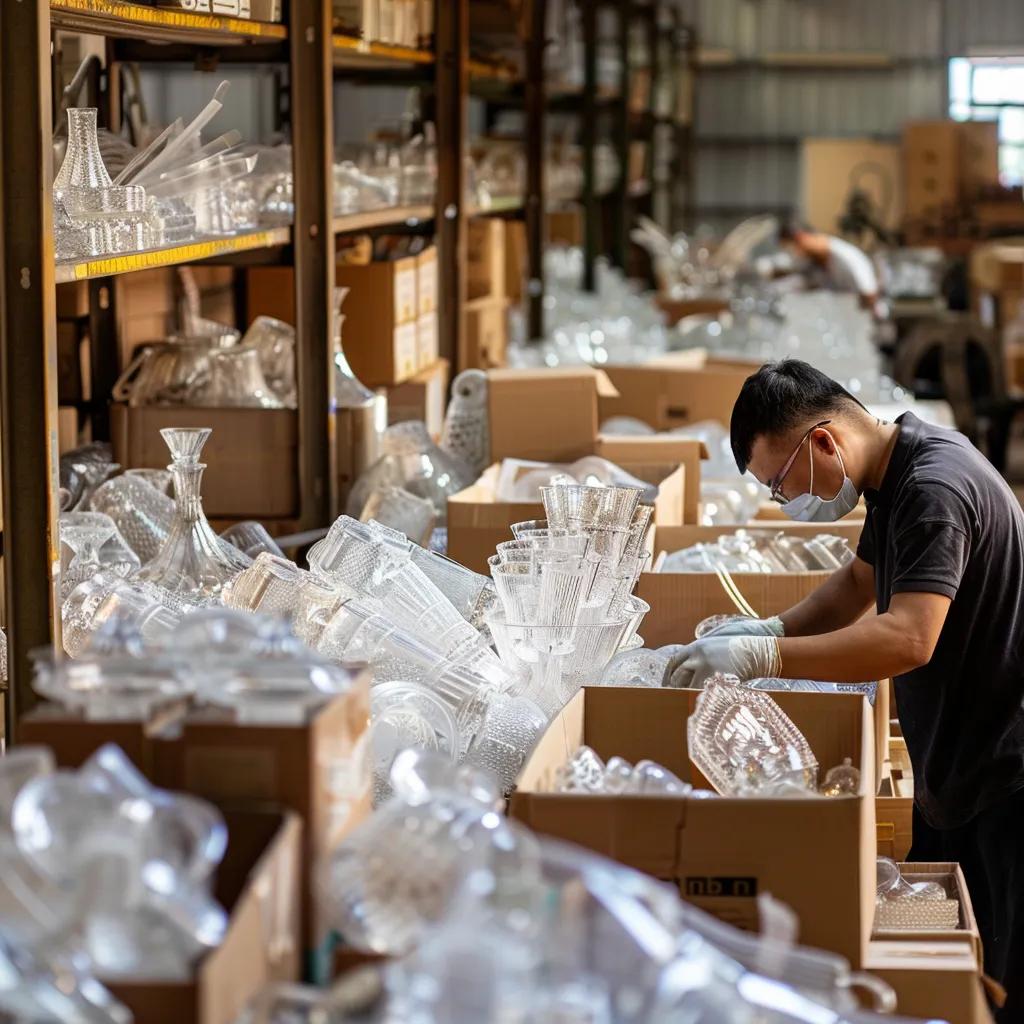
Over 27 percent of DIY movers report broken valuables during relocation, turning cherished items into unexpected expenses and stress.
This statistic underscores the financial and emotional impact of improper packing, supporting the article’s emphasis on professional packing.
Expert packing services for fragile items resolve this by combining specialized techniques, high-quality materials, and insurance-compliant procedures to protect glassware, electronics, antiques, artwork, and more. In this guide, you’ll learn why professional packing matters, which items need bespoke care, the best materials to use, a step-by-step packing workflow, how to select the right service, pre-move preparation tips, sustainable packing options, and insurance considerations—all designed to ensure damage-free transport and complete peace of mind.
Professional packing for fragile items defines a service that applies proven methods and materials to safeguard delicate belongings, reducing breakage rates and unexpected costs. By entrusting specialized packers, individuals benefit from efficient workflows, compliance with insurance standards, and custom solutions for unique shapes or heirlooms. These advantages transform what is often a stressful chore into a seamless, secure process.
DIY packing of fragile items carries significant risk due to inconsistent cushioning, improper box selection, and lack of professional handling.
Because these pitfalls undermine overall moving success, expert packers employ standardized procedures that virtually eliminate such risks.
Expert packing saves time and reduces stress by leveraging trained teams, optimized packing stations, and efficient material staging.
By handling every detail, professional packers shift the burden from clients to specialists, allowing a focus on other aspects of relocation.
Professional packing ensures insurance compliance by following documented standards and providing required evidence for coverage.
Adhering to these protocols gives clients confidence that, in the rare case of damage, claims are processed smoothly and fairly.
With these benefits established, it becomes crucial to identify which fragile items demand specialized techniques and materials.
Fragile items requiring specialized packing encompass categories that share vulnerability to impact, pressure, or moisture, such as glassware, electronics, antiques, artwork, and musical instruments. Each category calls for tailored methods that address material properties, shape, and insurance considerations, ensuring comprehensive protection throughout transit.
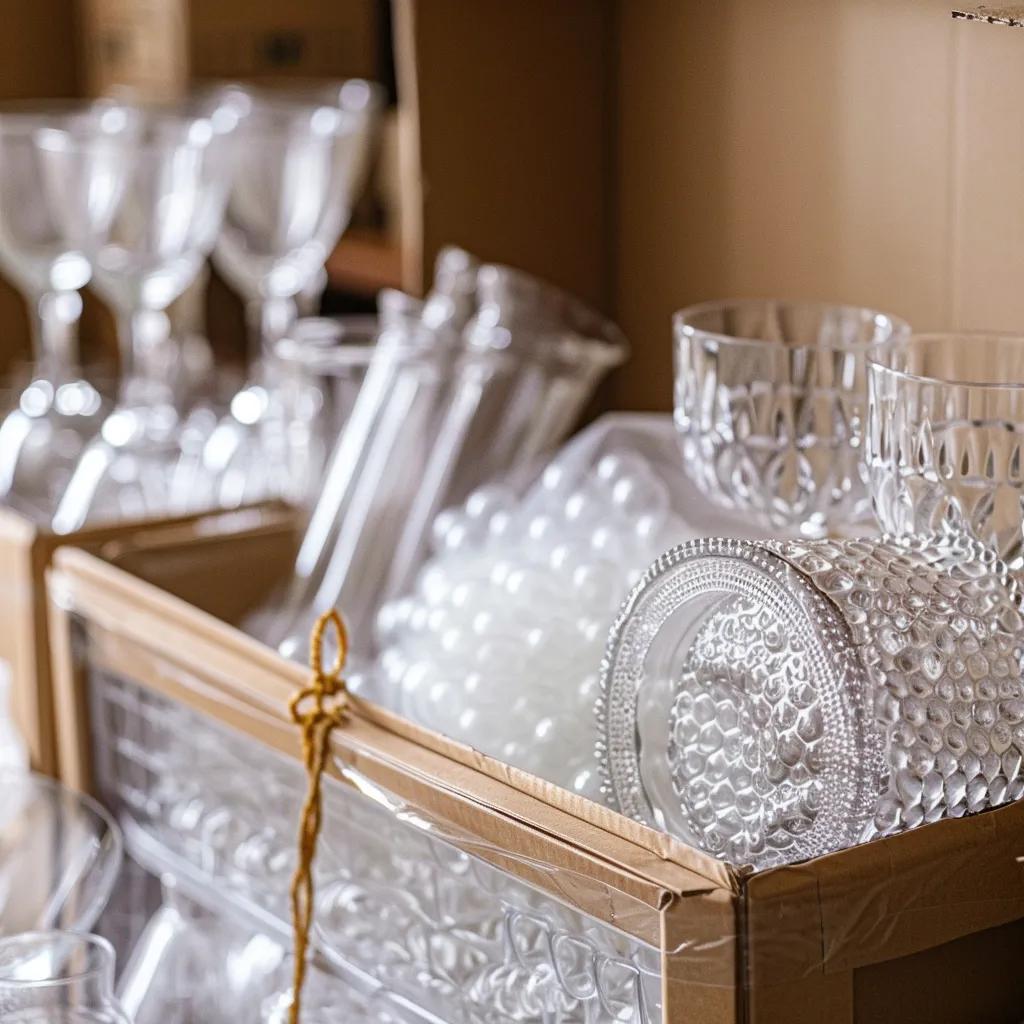
Packing glassware and china demands multi-layer cushioning and secure separation to prevent direct contact.
These steps maintain separation and cushioning, preventing chipping and cracking even under moderate handling stress.
Securing electronics hinges on static protection, proper cable management, and retaining original packaging when available.
Following these practices preserves device integrity and functionality upon reassembly at the destination.
Antiques and heirlooms require appraisal, bespoke wrapping, and often custom crating to honor their historical and monetary value.
This combination of documentation and tailored enclosures protects provenance and minimizes environmental damage.
Artwork and sculptures benefit from protective layers, rigid edge support, and shock-absorbent crates to preserve fine details.
Integrating these elements deters dents, scratches, and moisture-related deterioration during transit.
Transporting musical instruments demands custom cases, layered padding, and temperature awareness to maintain sound quality and structural integrity.
These measures preserve acoustic performance and prevent warping, cracking, or corrosion under variable conditions.
Understanding item-specific needs informs our choice of packing materials and the expert process that follows.
Packing materials best suited for fragile items provide cushioning, void fill, and structural support through a combination of foam, paper, and sturdy containers. Selecting the right combination enhances shock absorption and prevents movement inside boxes.
Bubble wrap and foam serve as primary cushioning materials that distribute impact forces and maintain item separation.
These materials absorb shocks and protect surfaces, enabling safe stacking and handling during loading and unloading.
Packing paper and peanuts complement cushioning by filling gaps and stabilizing boxes against shifting.
Incorporating these void-fill mediums prevents contents from colliding under motion. For more tips, check out our blog.
Specialty boxes and custom crates offer reinforced walls and tailored interiors for oversized or oddly shaped objects.
Deploying these containers eliminates the risk of box collapse and provides a snug fit for each item.
Clear labeling and secure sealing communicate handling instructions and preserve packing integrity.
Combining visible instructions with sealing methods ensures handlers respect packing orientation and content sensitivity.
Harnessing appropriate materials lays the groundwork for a systematic expert packing process that follows.
The expert packing process for fragile items defines a structured workflow—from assessment to final tracking—ensuring consistent quality and damage prevention at each step.
A pre-packing assessment identifies item condition, dimensions, and special requirements before materials are allocated.
This foundational step aligns resources with client expectations and insurance parameters.
Individual wrapping employs layering techniques that combine protective materials for maximum security.
Layered wrapping creates a multi-barrier defense against knocks and vibrations during transport.
Box selection and loading prioritize weight distribution, void elimination, and stable stacking to reduce transit stress.
Proper loading prevents compression damage and shifting that leads to breakage.
Post-packing focuses on sealing integrity, labeling accuracy, and shipment monitoring to guarantee safe delivery.
These measures close the loop, ensuring transparent accountability from pack to unpack.
Following these steps ensures consistent quality across all fragile shipments and sets the stage for selecting the right service partner.
Choosing the right expert packing service involves evaluating qualifications, cost structures, and available custom solutions to match your unique fragile needs.
Professional packers should demonstrate certifications, training, and proven track records in fragile item handling.
Such credentials signal reliability and depth of expertise.
Custom solutions encompass bespoke crating, specialized handling, and tailored insurance packages for one-of-a-kind objects.
These specialized services adapt to the precise needs of priceless or irregularly shaped valuables.
Evaluating these criteria positions you to select a partner aligned with your fragile item requirements and expectations.
Preparing fragile items before professional packing involves cleaning, disassembling, documenting, and vetting transport providers to ensure streamlined service.
Cleaning and disassembly remove debris and reduce pack volume, enhancing protection and transport efficiency.
This preparation prevents hidden dirt from damaging surfaces and simplifies reassembly.
Documenting and inventorying fragile valuables creates a verifiable record, aiding insurance and unpacking.
Comprehensive documentation underpins insurance claims and ensures accountability.
Selecting movers or shippers specializing in fragile items involves vetting credentials, reviews, and specialized offerings.
This vetting process secures a transport partner committed to the same level of care as your packing service.
Proper prep streamlines professional packing and safeguards valuables throughout the relocation continuum.

Eco-friendly and sustainable packing materials reduce environmental impact while offering comparable or superior protection for fragile items. Their use aligns with growing consumer preferences and supports corporate responsibility initiatives.
Organic alternatives and reusable solutions deliver cushioning and void fill without compromising performance.
Adopting these materials lowers landfill waste and often meets or exceeds performance standards of traditional supplies.
Sustainable practices influence brand reputation, cost efficiency, and regulatory compliance in moving and storage operations.
Integrating eco-friendly practices positions services as both responsible and innovative in a competitive market.
Sustainable material choices combine protection and planet-friendly performance, rounding out a modern packing strategy.
Professionally executed fragile-item packing merges specialized techniques, premium materials, and compliance protocols to protect valuables from the first wrap to final delivery. By assessing item vulnerabilities, selecting optimal materials, following a structured workflow, and choosing the right service partner, you eliminate unexpected costs and stress. Integrating sustainable packing solutions and securing appropriate insurance further elevates your relocation strategy, combining environmental responsibility with financial protection. Embracing expert packing services transforms fragile moving from a risky chore into a reliable, stress-free experience you can trust.
Error: Contact form not found.