Welcome to Octopus Moving Company | Massachusetts, Rhode Island, North Carolina
Welcome to Octopus Moving Company | Massachusetts, Rhode Island, North Carolina

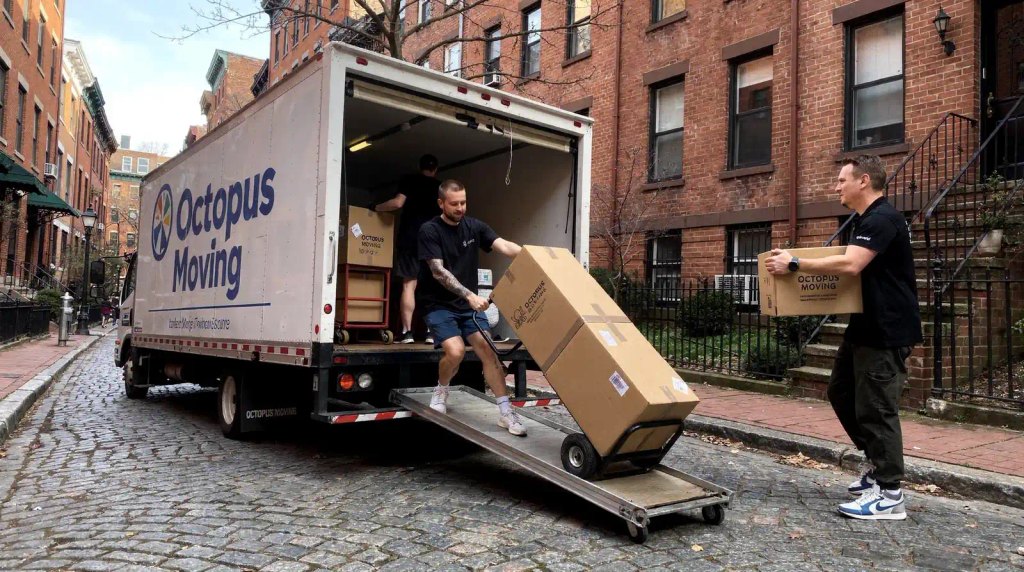
By Octopus Moving Editorial Team · Updated 2026-08-19
Moving into a Boston apartment is rarely as simple as loading a truck and carrying boxes through the front door. Historic buildings, narrow staircases, small elevators, limited street parking, cobblestone streets, and Boston’s concentrated September 1 lease turnover can turn an otherwise straightforward relocation into a logistical challenge.
The good news is that these obstacles are manageable with the right preparation.
Octopus Moving is a licensed and insured Boston moving company based in Malden, MA. Its full-time crews—not day laborers—handle apartment and residential moves throughout Massachusetts, with experience navigating walk-ups, elevators, narrow entrances, and difficult urban access.
For Boston renters and homeowners, the biggest advantage of professional moving support is not simply having extra hands. It is having a crew that can anticipate access problems before moving day, protect furniture through tight spaces, and coordinate the details that can otherwise cause expensive delays.
Boston’s historic housing stock creates challenges that are easy to underestimate when planning a move.
A modern apartment may have a spacious elevator, a wide entrance, and a dedicated loading area. An older Boston building may offer none of those conveniences.
Triple-deckers, brownstones, and historic apartment buildings can have narrow stairwells, tight corners, small elevators, and doorways that were never designed for today’s oversized furniture.
Then there is the street itself.
Many Boston neighborhoods have narrow one-way roads, limited parking, cobblestone surfaces, and restricted loading areas. A moving truck that cannot park close enough to the building can add significant carrying time to the job.
Several factors commonly create problems:
Professional movers account for these conditions before the truck arrives.
Boston’s September 1 lease cycle creates one of the busiest moving periods of the year.
A large number of leases turn over around the same date, which means thousands of residents may be moving simultaneously. Parking becomes harder to secure, elevators are heavily booked, and building managers often have strict move-in schedules.
For anyone moving around this period, waiting until the last minute can create unnecessary problems.
Planning early allows you to:
The earlier these details are handled, the fewer variables remain on moving day.
The most successful Boston apartment moves begin before the first box is packed.
Administrative preparation is just as important as physical preparation. A moving crew can handle the heavy lifting, but homeowners and renters still need to coordinate address changes, building access, parking, and utilities.
If a moving van needs a reserved parking space, advance planning is essential.
According to the source material, online applications for a reserved moving space should be submitted at least two weeks before the move, while in-person applications require at least three days’ notice. Without a properly reserved space, movers may face tickets, towing, or difficulty accessing the building.
Because parking availability can be especially tight in Boston’s dense neighborhoods, it is better to treat parking as part of the moving plan rather than something to figure out when the truck arrives.
Moving involves more than changing the address on a lease.
Prepare a simple notification checklist covering:
Keeping copies of your lease, parking documentation, and important contacts in one folder can also make moving day easier.
For additional preparation advice, see Expert Tips for Smooth Moving with Boston Apartment Movers.
Walk-up apartments require more than physical strength. They require coordination.
A crew may need to carry heavy furniture up several flights of stairs while protecting walls, banisters, floors, and door frames. At the same time, every item has to be maneuvered through tight turns without damaging the furniture itself.
Octopus Moving uses full-time employees rather than day laborers, giving customers a consistent crew trained to handle the physical and logistical demands of residential moves.
Professional crews can use equipment such as:
The right equipment makes a significant difference when a sofa has to turn through a narrow stairwell or a heavy dresser needs to be carried several floors without scraping a wall.
This is where planning and experience become particularly valuable.
If a sofa, bed frame, or other large item cannot pass through a doorway or fit safely into an elevator, movers may need to disassemble it before carrying it into the apartment.
Rather than forcing an item through an opening and risking damage, professional crews can assess the route, determine the best approach, protect the furniture, and reassemble it when appropriate.
Octopus Moving emphasizes careful wrapping and securing of furniture during these challenging moves.
A few measurements can prevent hours of frustration.
Before moving day, measure:
Then compare those measurements with your largest furniture pieces.
This is especially important for older Boston buildings, where modern furniture may be significantly larger than the spaces it needs to pass through.
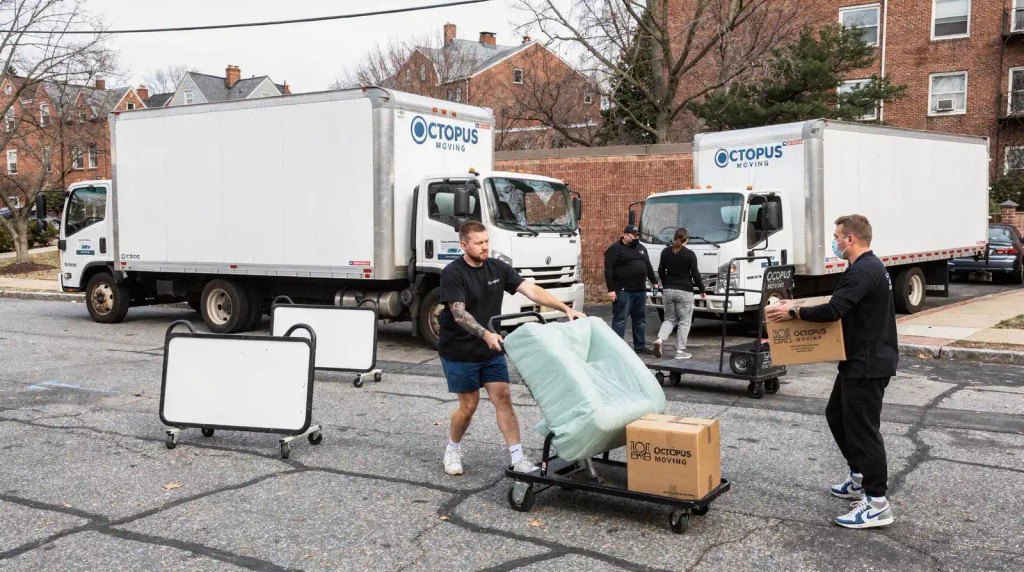
Moving furniture through a narrow Boston apartment creates two potential problems: damage to the furniture and damage to the property.
Professional crews address both.
Furniture can be wrapped and padded before it is moved through staircases, elevators, hallways, and doorways. Teams can also coordinate the carry so that one person guides the furniture while others control its weight and movement.
This becomes particularly important with:
The goal is not simply to get the item upstairs. It is to get it upstairs without damaging the item, walls, floors, banisters, or door frames.
For Boston residents who need both transportation and temporary storage, Octopus Moving also provides moving and storage services, which can be useful when a new apartment is not ready on the same day you need to leave your current home.
Building requirements can be just as important as street conditions.
Many apartment buildings have rules about when movers can arrive, which entrance they can use, and whether an elevator must be reserved.
Before moving day, ask your building manager:
These requirements should be communicated to the moving company before the crew arrives.
A truck sitting outside while movers wait for an unavailable elevator is exactly the kind of preventable delay that advance coordination can eliminate.
Communication becomes especially important when an apartment has difficult access.
Before the move, confirm:
Octopus Moving is based in Malden, MA, serves Boston, and offers 24/7 customer support for questions and coordination. The company uses licensed and insured full-time employees rather than day laborers.
That combination can be especially useful when a move involves several access restrictions at once.
Most difficult moving days are not caused by one catastrophic mistake. They are usually the result of several small details being overlooked.
Boston parking can be difficult even on an ordinary day. During the September moving rush, it becomes significantly more competitive.
The source material recommends applying for an online temporary parking permit at least two weeks in advance. In-person applications require at least three days’ notice.
A sofa that fits through the apartment door may still be too large for the elevator.
Measure the elevator opening and interior space before moving day, especially in older buildings.
Oversized furniture sometimes needs to be disassembled.
Discuss unusually large pieces with your moving company ahead of time so the crew can bring the appropriate equipment and plan the route.
An apartment manager may require a specific moving window or elevator reservation.
Confirm these details before scheduling the final move.
Three flights of stairs changes the job considerably.
Let your mover know exactly how many flights the crew will need to navigate and whether there are narrow turns or unusually tight staircases.
The more decisions that have to be made while the truck is waiting outside, the more likely delays become.
A short pre-move checklist can eliminate many of those problems.

Use this checklist in the weeks leading up to your move:
A little preparation can save hours once the truck arrives.
If you’re moving into a Boston walk-up, older apartment, brownstone, or building with difficult parking, professional planning can make the difference between a smooth move and a day full of avoidable delays.
Octopus Moving’s full-time crews can help with the physical move while you focus on coordinating the rest of your transition. If your relocation also involves temporary storage, the company can help coordinate that part of the process as well.
You can learn more about Boston apartment moving services or explore Boston moving and storage options to determine which approach fits your timeline.
Moving into a Boston apartment comes with challenges that simply do not exist in every city.
Narrow triple-decker staircases, historic doorways, small elevators, limited parking, cobblestone streets, and the intense September 1 lease cycle can all affect how long a move takes and how much preparation it requires.
The best way to manage those challenges is to plan them before moving day.
Reserve parking early. Measure the largest furniture pieces. Confirm elevator and building requirements. Tell your movers about stairs and restricted access. And choose a crew that is equipped to work in Boston’s older, tighter buildings.
Octopus Moving’s full-time crews bring local experience, professional equipment, and a coordinated approach to Boston apartment relocations. Based in Malden, MA, the company serves customers throughout Massachusetts and also provides moving services in Rhode Island and North Carolina.
For renters and homeowners, that preparation means fewer surprises, better protection for belongings, and a much easier transition into the next home.
Start as early as possible, particularly if your move is scheduled around September 1. Boston’s concentrated lease turnover creates high demand for movers, parking spaces, and building elevators. Early planning gives you more options and time to resolve access issues.
A reserved parking space gives the moving truck legal and practical access to the building. Without one, movers may face tickets, towing, or delays while searching for a suitable loading location. The source recommends applying online at least two weeks before the move.
Triple-deckers frequently have no elevators and may have narrow staircases and older doorways. Large furniture can require careful maneuvering or disassembly before it can safely reach an upper floor.
Yes. Measuring doorways, hallways, staircases, and elevators helps identify potential problems before moving day. It is particularly important when you have large sofas, mattresses, tables, or other bulky furniture.
Professional crews may use furniture pads, dollies, shoulder straps, stair-climbing equipment, protective wrapping, and other specialized tools. The equipment helps movers safely navigate stairs, tight corners, and narrow entrances.
Yes. Walk-up apartments are a common moving challenge in Boston. Professional crews can carry furniture up multiple flights of stairs while coordinating the load and protecting walls, floors, banisters, and door frames.
Large furniture may need to be disassembled before it can pass through a narrow doorway or staircase. Discuss oversized pieces with the moving company before moving day so the crew can plan appropriately.
Ask about elevator reservations, permitted moving hours, loading entrances, parking restrictions, insurance requirements, and any rules for protecting common areas. Having these answers before moving day helps prevent delays.
The supplied source states that Octopus Moving uses full-time employees rather than day laborers. It also describes the company as licensed and insured.
Octopus Moving is based in Malden, MA, and the supplied company facts state that it serves Massachusetts, Rhode Island, and North Carolina